




Cam followers are critical components in modern automation systems. These specialized rolling elements convert rotary motion into smooth linear or oscillating movement, enabling precision control across a wide variety of automated equipment.
As factories and industrial systems become more automated and demand higher throughput, cam followers must perform with greater reliability, minimal maintenance, and superior load-handling capabilities.
From conveyor systems to robotic tooling, cam follower bearings play a foundational role in ensuring efficient, uninterrupted motion control.
What Are Cam Follower Bearings?

Cam followers are specialized roller bearings that “follow” cam or track profiles, converting rotary motion into precise linear or oscillating motion. They handle radial (and some axial) loads and are typically stud-mounted or fitted in a clevis (yoke). These bearings are not to be confused with cam and followers, which are a different mechanism entirely.
Cam followers appear anywhere in a machine where a moving carriage or slide must follow a guided path – for instance, on conveyor trolleys, sliding guides, linear actuators, and indexing tables.
Cam followers enable smooth motion in automation systems by providing rolling contact on hardened tracks or cams (instead of frictional sliding). Unlike standard bearings (which are mounted in housings with full-circumference support), cam followers support loads at a single rolling point.
This creates bending moments in the outer ring, so cam followers must have thicker, heavier cross-sections to resist deformation.
Common Cam Follower Configurations
Cam followers come in several configurations to fit different machinery and load requirements:
Stud-Type (Standard & Heavy): These cam followers have a threaded stud for direct mounting into the machine structure.
Standard stud followers suit moderate loads and are offered in sealed or open styles, with optional crowned outer rings for slight misalignment.
Heavy stud follower versions use a stronger, thicker stud to withstand high static or shock loads. Both types may include screw-slot or hex sockets.

Yoke-Type (Double-Sided): In a yoke or clevis-style follower, two bearings are held in a metal yoke and are mounted by a pin through the center. This design provides support on both sides of the cam follower, allowing much higher load capacity. Yoke followers are used when loads exceed stud-type limits or when a strong pivot pin is needed. They, too, can be sealed or unsealed and optionally crowned.

Full-Complement vs. Caged: Many cam followers use needle rollers as the anti-friction element. A full-complement needle-roller follower packs the maximum number of rollers for very high radial load capacity.

A caged-needle design uses a cage to separate rollers; this permits higher speeds and provides space for more lubricant. Some caged roller followers have an especially heavy outer ring and an internal cage for lubrication, enabling high loads and high speeds (ideal for oil-bath or “grease-for-life” applications). The unsealed caged type has very low friction and allows flow-through lubrication.
Needle Vs. Cylindrical Rollers: Most cam followers use needle rollers as their bearings. RBC has been pioneering the use of double row cylindrical rollers for increased load capacity, maximum running speed, fatigue life, and slightly more thrust load resistance.

Each configuration has advantages: stud-types save space, yoke-types handle the biggest loads, and caged units excel at speed and lubrication intervals.
Cam Followers in Automation Systems
Cam followers are found throughout automated machinery—anywhere precise and repeatable motion is required. These components serve as the rolling interface between moving parts and stationary guides, such as rails, cam plates, or track profiles. Their role is to ensure smooth, guided movement while carrying heavy loads with minimal friction.
Below are common examples of where cam followers are used in automation systems:
Conveyor and Transfer Systems

Cam followers often act as load-bearing rollers on conveyor trolleys and pallets. In overhead or floor-mounted conveyor systems, moving carriages typically ride along rails or studs via cam followers. These components guide products smoothly along linear paths or around curves, ensuring reliable transport.
In indexing conveyors or rotary transfer lines, cam followers trace cam profiles to lift, lower, or rotate parts between stations with precision.
Packaging and Bottling Machinery

Packaging systems rely heavily on cam followers to coordinate high-speed processes like filling, capping, sealing, and labeling.
For example, in a beverage bottling line, cam followers mounted on a rotating fill-head carousel follow a cam path that lifts and positions each bottle beneath a filler. In carton handling or case packing equipment, cam followers guide and control moving arms, ensuring accurate placement of packaging materials.
Material Handling and Lifting Equipment

In material handling systems—such as forklifts, gantry lifts, and cranes—cam followers are used as mast guide rollers. These heavy-duty components support and guide the vertical movement of lift carriages, often under extreme loads.
Similar cam followers are used in automated hoists and overhead conveyors, providing smooth, reliable guidance in systems where weight and stability are critical.
Machining and Tooling Equipment

Cam followers are also common in CNC machinery, robotics, and automated assembly cells. They support linear movement in slides, tooling arms, and pick-and-place systems, riding on cam tracks or slot guides.
Applications range from controlling textile machine needle bars to guiding feeder systems in printing presses and stamping equipment. In all cases, they deliver consistent rolling contact where rotary input drives linear or oscillating movement.
Automotive Assembly and Aerospace Applications

Automated automotive lines use cam followers in conveyors and transfer systems that move bodies, engines, and components through various assembly stages. These followers ensure each part is delivered to the correct position with high repeatability.
In aerospace, cam followers appear in both manufacturing systems and in aircraft hardware—such as wing flap tracks, landing gear linkages, and door hinge mechanisms—where they support high-precision movement under load.
Advantages of Cam Followers in Automated Environments

Modern automation systems demand components that deliver precision, durability, and minimal maintenance. Cam followers meet these challenges by combining mechanical strength with efficient motion control. Below are the key advantages they offer in automated environments:
Compact Size with High Load Capacity
Cam followers are designed to carry high radial loads while occupying minimal space. Their compact form factor is ideal for crowded machine layouts, especially in applications with tight tolerances. Available in stud-type or yoke-type designs, they give engineers flexibility when mounting within a variety of system architectures.
Resistance to Shock and Vibration
In systems with rapid acceleration, deceleration, or impact—such as pick-and-place units, conveyors, or packaging machines—cam followers must absorb repetitive shock without deforming. High-quality roller elements and hardened outer rings allow them to withstand dynamic loads and harsh operating conditions.

Adaptability to Irregular Motion Paths
Unlike conventional bearings, cam followers are designed to follow non-linear tracks or cam surfaces. They can handle curves, inclines, and variable motion profiles. Crowned cam followers, with slightly curved outer surfaces, help compensate for angular misalignment and ensure smoother tracking across complex paths.
Simplified System Design
Because of their robust construction, cam followers often eliminate the need for separate guiding rails, bushings, or slide systems. Their ability to handle both load and guidance reduces component count and simplifies machine design—particularly in compact or modular systems.
Extended Service Life in High-Duty Cycles
Automation equipment often runs thousands of cycles per day. Cam followers are built to last under continuous use, with materials and sealing systems that reduce wear and protect against contamination. Maintenance-free or sealed cam follower designs are especially valuable in systems with limited access or high uptime requirements.
Cam Follower Key Selection Criteria for Automation Use
Choosing the right cam follower is essential for maximizing performance and reliability. Here are the main factors to evaluate:
1. Load Capacity (Radial and Axial)
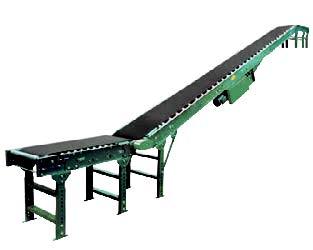
While radial loads are the most common, certain applications—like inclined conveyors or cam-guided lifts—introduce axial (thrust) loads. Heavy-duty and yoke-type cam followers can handle higher loads and provide greater structural support, especially when forces come from multiple directions.
2. Speed and Motion Frequency
High-speed machinery benefits from cam followers with caged rollers or low-friction seals that minimize heat buildup. Slower systems with heavier loads may be better suited to full-complement designs that prioritize load capacity over speed.
3. Lubrication Requirements
Cam followers can be supplied in grease-lubricated or maintenance-free formats. Sealed, lubricated-for-life versions reduce service demands, while re-greaseable types are useful in equipment with routine maintenance intervals. For centralized systems, unsealed models may be preferable to allow continuous lubrication flow.
4. Environmental Conditions

Consider exposure to heat, moisture, dust, or chemicals. For washdown or corrosive environments, stainless steel and sealed cam followers offer increased protection. Multi-lip seals, such as IP69K sealed bearings, are often used to prevent contamination and retain lubrication under extreme conditions.
5. Mounting Style and Space Constraints
Stud-type cam followers are threaded and easy to install in compact designs. Yoke-types are better for heavier loads but require support on both sides. Some models allow eccentric adjustment after installation—useful for setting clearances or tensioning without reconfiguring the system.
6. Track Surface and Hardness
The longevity of a cam follower is closely tied to the condition of the cam track. Tracks should be smooth and hardened to minimize wear. Crowned cam followers help distribute load more evenly and reduce stress on uneven or imperfect surfaces.
Cam Follower Maintenance & Performance Optimization
Cam followers are inherently low-maintenance, but their performance can be extended with thoughtful system design and preventive practices.

Lubrication and Sealing Options
Unless specified as maintenance-free, cam followers should be lubricated periodically. Sealed versions retain grease and block contaminants—ideal for dirty or hard-to-reach areas. Models with re-lubrication ports make it easy to maintain without removing the component. For centralized lubrication systems, open (unsealed) followers may be integrated directly into the system.
Common Cam Follower Bearing Failure Causes
Watch for and record these common bearing failures to adjust your maintenance schedule:
- Brinelling: Localized indentations caused by impact or overload.
- Spalling: Surface fatigue that causes small flakes to detach from the rolling path.
- Misalignment: Leads to uneven wear and premature failure; crowned or self-aligning designs help prevent this.
- Contamination: Dust, moisture, or chemicals degrade the lubricant and internal surfaces.
Predictive Maintenance Tools
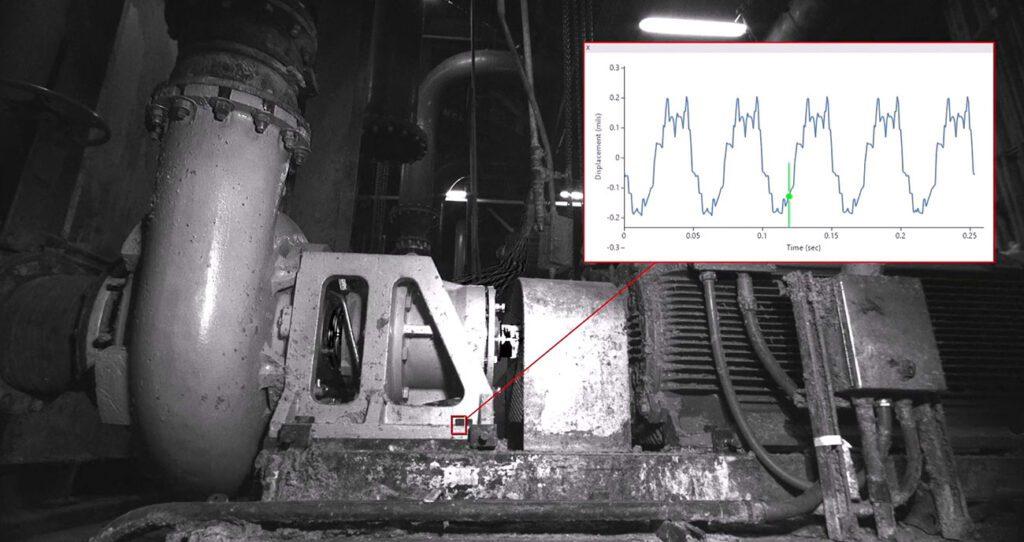
While cam followers themselves are passive components, machine sensors can monitor vibration, temperature, and cycle counts to detect early signs of wear or failure. Incorporating cam followers into a predictive maintenance strategy can reduce unplanned downtime and extend service intervals.
Benefits of Maintenance-Free Options
For critical systems or locations with limited access, maintenance-free cam followers offer significant advantages. These designs are sealed, pre-lubricated, and engineered to run longer without servicing—reducing labor costs and the risk of unexpected failure in continuous operations.
Innovations and Trends in Cam Follower Design
Cam follower technology is advancing to meet the needs of modern automation, robotics, and smart manufacturing.
1. Maintenance-Free Designs
There is a growing shift toward sealed, lubricated-for-life cam followers. These reduce manual upkeep and are especially useful in cleanroom, food-grade, or enclosed machinery applications.
2. High-Speed and Precision Capability
Precision-ground cam followers with caged or cylindrical rollers are now built to handle high RPMs with minimal vibration—ideal for robotic arms, indexing tables, and fast-moving conveyor lines.
3. Advanced Materials and Coatings
Newer cam followers may use stainless steel, engineered polymers, or corrosion-resistant coatings to operate reliably in demanding environments. Sealing technology has also improved, with enhanced polymers providing better resistance to chemicals and temperature extremes.
4. Integration with Smart Systems
While not typically sensor-equipped themselves, cam followers can be part of smart maintenance ecosystems. Vibration and motion sensors installed in the surrounding machinery can detect cam follower wear patterns, feeding into larger IoT systems for predictive diagnostics.
5. Custom Solutions for Robotics and Cobots
As robotics and collaborative automation expand, there is growing demand for compact, lightweight, high-performance cam followers. Custom designs—featuring miniature sizes, adjustable mounts, or optimized materials—are increasingly being used in robotic joints, tracks, and articulated arms.
Product Spotlight: RBC Bearings’ Cam Follower Innovations

RBC Bearings has developed specialized cam followers to address the demanding requirements of modern automation. Key RBC innovations include:
RBC Roller® (Long-Life Design)
This patented double-row cylindrical cam follower (RBC Series RBC/RBY) is designed for extreme life and reliability. Compared to conventional needle-roller followers, the RBC Roller® typically achieves up to 4× longer service life (and in some cases even 5–9×).
Its two rows of end-guided rollers provide stable outer-ring support and high dynamic capacity. The large rollers and center thrust ring allow it to handle axial thrust and misalignment that would damage standard designs. As a result, the RBC Roller® runs cooler (lower temperature rise) and can often eliminate relubrication.
RBC supplies Roller cam followers fully pre-greased with multi-lip seals, meaning they are effectively lubricated for life. (If relubrication is needed, RBC offers grease fittings or holes.) The Roller series is fully interchangeable in stud or yoke form, making it a direct upgrade for long-run, critical machines.
HexLube® Universal Followers
By integrating a grease fitting into the hex-head of a stud-type cam follower, the HexLube® line makes maintenance easier. Technicians can re-grease the bearing through the hex socket using standard grease adapters. This is especially valuable when the rear of the stud is inaccessible.

Beyond the service advantage, the universal HexLube® design consolidates multiple SKUs: one HexLube® part can replace both slotted and unsealed versions of the same size. RBC estimates that a plant can halve its cam-follower inventory by switching to the HexLube® series. The HexLube® followers are available in all standard stud and heavy stud sizes (with sealed, crowned, and eccentric options), and they are dimensionally identical to ordinary cam followers of the same series.
CamCentric™ Adjustable Followers

The CamCentric™ line adds an eccentric stud to allow in-situ height adjustment. This is useful in applications where precise alignment is needed or where multiple followers must share load equally.
For example, in opposed guided slides or multi-roller transfer plates, tiny mis-positioning can cause one roller to carry more load than others. By turning the CamCentric™ follower (using its hex socket), an engineer can shim each roller until all contact simultaneously.
CamCentric™ units are ideal for reducing clearance or backlash in opposed arrangements and ensuring load sharing. Thus, automation systems can be tuned during installation or maintenance, improving accuracy and extending component life.
Maintenance and Sealing
Across its cam follower lines, RBC’s designs emphasize robust sealing and lubrication. For example, standard RBC Roller® followers use double-contact lip seals riding on ground surfaces to exclude dirt and hold grease. The large internal grease reservoir of the Roller design means the bearing is essentially maintenance-free under normal conditions.
Even in needle-roller types, RBC offers sealed “lubricated-for-life” versions as well as removable seals for flow-through lubrication. (In caged rollers, sealed or unsealed options are available with very heavy outer rings for strength.) If relubrication is needed, RBC provides detailed lubrication instructions and accessories (inner rings, grease fittings) to simplify the task.
In short, RBC’s cam follower products leverage advanced design and quality control to meet automation demands. Their patented roller designs deliver up to 400% greater life in critical machinery. Inventory is streamlined via universal features like HexLube®. And build quality (through-hardened races, precision seals, and ISO-certified manufacturing) ensures these bearings run reliably in 24/7 factory environments.
RBC Cam Follower Sales Sheet PDF
Not sure which cam follower bearing best fits your application? Contact IBT’s knowledgeable sales reps for more information.
Shop Roller Cams Online today!
Check out ShopIBT.com to find the bearing and power transmission products for your needs!
