




When selecting a conveyor belt for industrial use, the wrong choice can lead to early failure, costly maintenance, and operational inefficiencies. Whether you’re managing a food processing line, a chemical plant, or a heavy-duty mining application, choosing the right conveyor belt material is critical.
This guide outlines how to choose the best conveyor belt for your operation by breaking down the top stressors your system might face—from impact and speed to heat and chemical exposure. You’ll learn how different conveyor belt materials respond and which options perform best under harsh conditions.

Key Technical Terms
Understanding how to choose conveyor belts starts with understanding the terms engineers use to compare materials:
- Tensile Strength: The force a belt can withstand before breaking under tension.
- Abrasion Resistance: How well a material resists surface wear from friction.
- Impact Resistance: The ability to absorb shock loads without cracking.
- Chemical Inertness: Resistance to chemical degradation or reactivity.
- Modular Belting: Interlocking plastic modules that simplify belt repairs and upgrades.
- Coefficient of Friction: Measures how easily a product slides over the belt (low = better release).
A quick note on the conveyor belt materials below: each of these has multiple formulas that can enhance its performance in various situations and under different stressors, yielding better results. We’ll talk about what that material is generally capable of without going into the details of each different formula.
This guide focuses on conveyor belt material, rather than specialty belting customization.
Selecting Conveyor Belt Materials for Drop Impact Resistance

Heavy or sharp items falling onto belts are common in meat processing, recycling, and mining. If your system includes high drop zones, you need a conveyor belt that can absorb shock without cracking or puncturing.
Recommended Conveyor Belt Materials for Drop Impact:
- UHMW-PE: Excellent flexibility and energy absorption.
- Nylon (PA6/PA66): High fatigue resistance and impact tolerance.
- Polyurethane (PU): Elastic and resilient.
- Rubber (Natural/SBR): Soft enough to absorb blunt force.
- Kevlar®-Reinforced Rubber: Excellent for high-impact, high-speed.
- Ultra-Tuff™: Safari Belting’s proprietary material can withstand 250% greater drop impact force than commercial Acetal belts, while providing enough rigidity for high belt strength
Avoid using Acetal (POM) or PVC belts in these zones—they’re brittle under direct impact.
Choosing the Right Conveyor Belt for Heavy Loads (Tensile Strength)

Heavy bulk materials and large products strain belt tension and structure. Choose belts that distribute load and won’t deform under weight.
Recommended Heavy-Duty Conveyor Belting:
- Steel Cable Rubber Belts: High load capacity.
- Kevlar®-Reinforced Belts
- Fabric-Reinforced Rubber Belts: Good for heavy but less abrasive loads.
- Modular Belts with Large Pitch (2”+ UHMW or Nylon): Large-pitch modular belts (2 inches or more between hinge centers) offer added strength for demanding applications like pallet conveyors and bone tables—sanitary workstations in meat processing, where belts endure dropped loads and repeated knife contact.
- Ultra-Tuff™: 200% superior impact and tensile strength than PA66 or POM.
Avoid thin modular chains or standard fabric belts—they can stretch or snap.

Conveyor Belts that Resist Tearing & Gouging (Abrasion/Wear Resistance)
In mining, aggregates, and meat cutting operations, sharp edges or trapped debris can rip a belt apart. Material handling heavy-duty belt conveyors require their belts to have hardy abrasion and wear resistance.
Top Tear-Resistant Conveyor Belts:
- Kevlar®-Reinforced Rubber: Withstands sharp punctures.
- Steel Mesh Belts: Durable under abrasion.
- Reinforced Urethane or SBR Rubber: A top choice in material handling
- UHMW-PE Modular Belts: Highly wear-resistant
- Ultra-Tuff™: 14x more wear resistant than POM.
Thin or unreinforced belts will wear quickly in these harsh environments.
Best Conveyor Belts for High-Speed Applications

In packaging plants, parcel handling, and food production, high-speed conveyors are essential. But they add stress to belt materials, increasing stretch, heat, and vibration.
Top Conveyor Belt Choices for High-Speed Use:
- Steel-Cord Rubber Belts: High tensile strength, low stretch.
- Kevlar®-Reinforced Belts: Handle tension and dynamic forces.
- Aramid/Polyester Fabric Belts: Balanced strength and flexibility.
- PU Belts: Flexible, smooth-running.
- Positive-Drive Modular Belts (UHMW-PE, POM)
Avoid belts with low reinforcement, soft rubber, or light-duty plastics—they stretch and slip at speed.
Choosing Heat-Resistant Conveyor Belt Materials
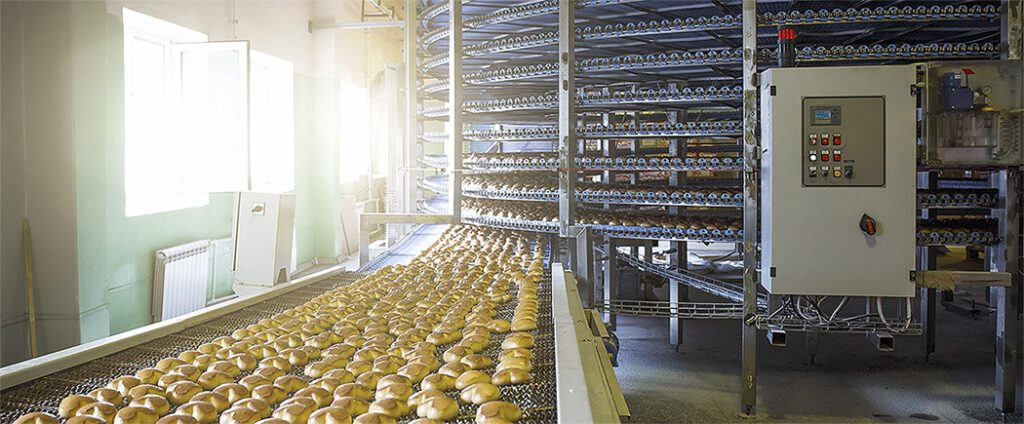
If your application involves ovens, hot product contact, or heat-curing, standard thermoplastics won’t survive. Belts for hot environments require high-temperature tolerance, especially when exposed to heat for extended periods.
Best Heat-Resistant Conveyor Belt Options:
- Stainless Steel Mesh Belts: Continuous operation >400°F.
- PTFE: Non-stick and heat stable.
- Silicone Belts: Good up to ~450°F.
- High Temp Nylon: Up to ~270°F.
- EPDM Rubber: Moderate heat resistance in outdoor/UV use.
- High-Temp UHMW-PE: Generally good up to (275°F)
- Ultra-Tuff™: Withstands continuous temperatures from 32⁰ – 302⁰ F
Standard PE, PP, and PVC belts often deform or crack under heat—avoid them.
Selecting Chemical-Resistant Conveyor Belting

If your plant uses strong sanitizers, solvents, or acidic/alkaline solutions, your belts must resist chemical corrosion. This is especially critical in dairy, poultry, pharma, and chemical manufacturing.
Top Chemical-Resistant Conveyor Belt Materials:
- PTFE (Teflon®): Highly inert.
- UHMW-PE: Broad resistance across pH range.
- Polypropylene (PP): Affordable chemical resistance.
- Nitrile (NBR): Grease/oil resistance.
- Stainless Steel: Generally a good choice, though it isn’t resistant to all chemicals (such as chlorine or bleach).
- Ultra-Tuff™: Inert to PAA (Peroxyacetic acid), Hydrogen Peroxide, and Hypochlorite. It withstands continuous exposure to both acids and bases with PL levels between 2 and 12.
Avoid Nylon and PVC—they degrade in alkaline or chlorinated solutions.
Conveyor Belt Options for Sanitary Washdown and Corrosive Environments

Food and beverage plants face many challenges, such as regular high-pressure washdowns with hot water and disinfectants. Sanitary conveyor belts must be non-absorbent, withstand high water pressure, and be easy to clean.
Best Sanitary Conveyor Belts:
- Stainless Steel Belts & Frames: One of the top choices for sanitary environments.
- Modular UHMW or PP Belts: Offers high corrosion resistance
- PTFE-Coated Mesh Belts: Widely inert and resistant to most chemicals
- PU Belts: Smooth and cleanable.
- Ultra-Tuff™: Highly effective at preventing microbial and foreign material contamination through the reduction of broken belt modules
Avoid rubber, absorbent fabrics, or porous belts in washdown environments—they harbor moisture and bacteria.
Release Properties

In food processing (especially meat, cheese, confections, or sticky baked goods), belts must release product cleanly to avoid buildup, product loss, or trim waste. Poor release can also lead to sanitation problems and downtime.
Best Materials:
- UHMW-PE: Naturally low coefficient of friction; excellent non-stick surface.
- PTFE (Teflon®): Superior non-stick; used in baked or sticky product lines.
- Polyurethane (PU): Smooth surface helps minimize product sticking.
- Ultra-Tuff™: Dense, slick surface repels fats and debris, reducing trim loss.
Avoid:
- PVC: Can become tacky when exposed to moisture or heat.
- Rubber Belts (SBR): Can absorb grease or oils and trap debris if not coated.
Preventing Conveyor Belt Mistracking with Smart Material Selection
Misaligned belts cause edge damage, product loss, and wear. The best belts prevent lateral drift using self-centering features or guides.
Best Conveyor Belts for Alignment:
- Positive-Drive Modular Belts: Engage sprockets to prevent drift.
- Belts with Crowned Pulleys and Side Guides: Simple and effective.
- Edge-Sensing Tracking Systems: Advanced systems for precise control.
- High-Friction PU or Rough-Top Belts: Added friction on pulleys reduces misalignment.
Avoid belts with no alignment features in sensitive operations such as smooth UHMW-PE or slick PVC.

Low-Maintenance Conveyor Belt Materials and Designs
Fast-paced operations can’t afford downtime. Choosing modular or tool-free belt systems saves time on repairs and sanitation.
Best Conveyor Belts for Easy Maintenance:
- Modular Plastic Belts: Snap in replacement sections.
- Quick-Splice Rubber Belts: Reduce repair time.
- Tool-Free Disconnects: Speed up sanitation in food lines.
- Ultra-Tuff™ Modular Belts: Modular design allows for easy replacement, plus splice in options offer conversions across multiple competitive solutions
Avoid belts requiring complete disassembly or field welding.
Preventing Slippage: High-Traction Conveyor Belt Solutions
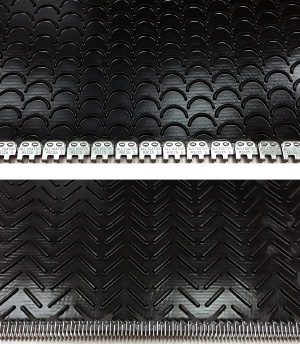
Slippage is a problem on inclines or wet surfaces. Choose belts with gripping textures or drive features to maintain product control.
Best Conveyor Belts for Slippage Prevention:
- Cleated or Ribbed Belts: Improve grip on slopes.
- High-Friction Rubber Covers: Secure products during transport.
- Positive Drive Belts: Engage with sprockets for no-slip movement.
Avoid smooth, untreated PVC or UHMW-PE on inclined conveyors.
📊 Material Performance by Stressor
This chart provides general information about the general formulations for each material type. It does not account for special varieties designed to better handle one particular type of stressor or another, with the exception of Ultra-Tuff™.

Product Spotlight: The Advantages of Ultra-Tuff™ Modular Belting from Safari Belting

When operations demand a conveyor belt that can do it all—resist impact, withstand chemicals, handle heavy loads, and release products cleanly—Ultra-Tuff™ delivers. Designed by Safari Belting, Ultra-Tuff™ is an exclusive, high-performance modular belting material engineered to outperform conventional plastics like acetal, nylon, and polypropylene in nearly every key stressor category.
✅ Superior Resistance to Tough Environments

Ultra-Tuff™ is built to thrive in the harshest operating conditions:
- Impact Resistance: Its ultra-crystalline polymer structure absorbs heavy drop impacts without cracking, chipping, or deforming. Ideal for bone tables, loading zones, and product transfers.
- Chemical Resistance: Inert to most acids, alkalis, peracetic acid (PAA), hydrogen peroxide, and sanitizers—making it perfect for poultry, seafood, and protein processing.
- Abrasion & Wear Resistance: Outlasts acetal (POM) by up to 14× in abrasion testing. It stands up to high-speed, high-friction contact zones like tight transfers or accumulation areas.
- Heat Tolerance: Maintains performance up to 302°F (150°C), surpassing most thermoplastics.
- Tear & Gouge Strength: Withstands heavy contact and sharp debris far better than standard modular plastics.
⚙️ Lower Total Cost of Ownership
Ultra-Tuff™ isn’t just about durability—it’s also a smart investment:
- 2–5× Longer Belt Life: Fewer broken modules, less wear, and fewer replacements reduce downtime and maintenance.
- Lightweight Design: Easier to handle, install, and maintain compared to steel or rubber alternatives.
- Modular Format: Allows quick, localized repairs—just replace a link, not the whole belt.
- No Special Tools Required: Simplifies maintenance and reduces service-related labor costs.
🧼 Enhanced Sanitation & Product Release

- Dense, Nonporous Surface: Resists water absorption and bacterial harborage.
- Excellent Release Properties: Helps reduce trim loss in sticky, oily, or protein-heavy lines by preventing buildup and carryback.
- Clean-In-Place (CIP) Ready: Designed for hygienic applications with fast, thorough cleanability.
🛡️ Food Safety with Ultra-Tuff XMD™
For applications requiring foreign material detection, Ultra-Tuff XMD™ offers all the performance of Ultra-Tuff™ plus:
- Metal & X-Ray Detectability: Meets or exceeds 1.5 mm ferrous-equivalent detection.
- Standardization Across Facilities: XMD capabilities allow the same belt to be used across multiple zones—no need for multiple SKUs.
- FSMA Compliance: Helps processors meet traceability and food safety standards with confidence.
Need help choosing the best conveyor belting material for you? Contact us and our expert team will guide you through your choices to get you the best option for your application!
